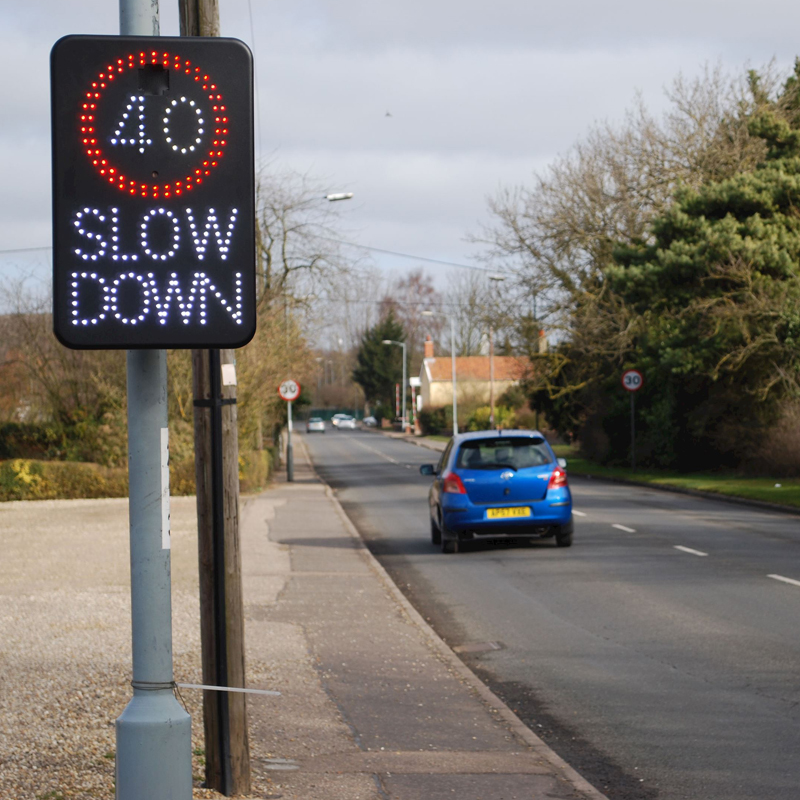
Traffic Safety Warning Products
author: HANKUN
2023-08-31
Recently, the U.S. tax hike policy implemented globally has caused significant waves in the international trade arena. Numerous industries have been impacted to varying degrees, and the traffic safety warning products industry is no exception. The implementation of this policy has brought complex and far - reaching implications for the production, sales, and market landscape of traffic safety warning products.
From the perspective of the production side, the tax hike policy directly leads to an increase in the cost of imported raw materials. The production of many traffic safety warning products relies on specific raw materials, such as reflective materials and electronic components, and some of these raw materials are sourced from overseas. The tax increase has significantly raised procurement costs, squeezing the profit margins of manufacturing enterprises. For smaller producers with limited financial resources, the sudden rise in costs can be an overwhelming burden, even posing a threat to their survival.
In the sales process, product prices inevitably rise. The increased costs caused by the tax hikes are often partially passed on to consumers by manufacturers and distributors. The higher prices reduce the competitiveness of traffic safety warning products in the market, especially among price - sensitive customers. Some customers who originally had procurement plans may postpone or cancel their orders due to price factors, resulting in a decline in product sales. At the same time, for enterprises exporting traffic safety warning products to the U.S. market, in addition to dealing with the pressures of rising costs and price increases, they may also face a series of trade barriers such as higher market access thresholds in the United States, further intensifying the difficulty of market expansion.
Analyzing from the aspect of the market landscape, the U.S. tax hike policy has prompted a reshuffle of the global traffic safety warning products market. The production pattern that was originally concentrated in countries and regions such as China may change. Some large - scale enterprises may choose to transfer part of their production capacity to other low - tariff countries or regions to avoid high tariffs. For example, in the security industry, leading enterprises like Hikvision and Dahua began to establish production bases in India, Vietnam, Brazil and other places as early as when trade frictions escalated. This trend of production capacity transfer is gradually emerging in the traffic safety warning products industry as well. Small and medium - sized enterprises, due to a lack of funds and resources, find it difficult to quickly achieve production capacity transfer and are in a more disadvantaged position in the competition. In addition, U.S. domestic enterprises may benefit to a certain extent from the tax hike policy. As the prices of imported products rise, relatively speaking, the competitiveness of their domestic products increases, which may prompt U.S. domestic enterprises to increase their investment and development in the field of traffic safety warning products.
In the face of the challenges brought by the U.S. tax hike policy, enterprises in the traffic safety warning products industry can adopt a series of countermeasures. On the one hand, enterprises should strengthen cost control. They can reduce the impact of rising costs as much as possible by optimizing production processes, improving production efficiency, and seeking more cost - effective raw material suppliers. For example, some enterprises have introduced advanced production equipment and management systems, improving production efficiency and reducing labor costs and raw material waste. On the other hand, actively expand diversified markets to reduce dependence on the single U.S. market. Besides the U.S. market, there is a strong demand for traffic safety warning products in many other countries and regions around the world, such as the European, Southeast Asian, and Middle Eastern markets. Enterprises can increase their marketing and promotion efforts in these markets and develop products that meet local market demands, thereby diversifying market risks. In addition, strengthening technological innovation and enhancing product added value is also an important approach. By researching and developing traffic safety warning products with higher performance and greater intelligence, enterprises can offset the negative impact of price increases to a certain extent and enhance the competitiveness of their products in the market.
Although the U.S. tax hike policy has brought many challenges to the traffic safety warning products industry, it has also accelerated the industry's transformation and upgrading. Only by actively responding, optimizing costs, expanding markets, and innovating products can enterprises survive and develop in the complex and ever - changing market environment.
YIWU HANKUN has over 10 years-experience to ODM/OEM message board signs for clients all over the world.
mobile variable traffic display screen
Related Article
Get the engineer's guide to amber VMS pixel structure (1-LED vs 4-LED). Compare A/B/C grade boards & bulk factory prices for 5+ units from China
Amber VMS Pixel Structure & Bulk Price Guide 2025 | HANKUN
Core Considerations for Variable Message Sign (VMS) Rental vs. Purchase: Genuine Dilemmas from the Perspective of Users in Four Countries
Core Considerations for Variable Message Sign (VMS) Rental vs Purchase
A Hardcore Equipment Under Environmental Inspections: This Zero-Emission Solar Lighting Lighthouse is Revolutionizing the Infrastructure Industry